
How Treatment Works
Our process is designed to answer three practical questions: what is driving your symptoms, what helps them improve, and what can you do independently to keep moving forward?
Evaluation Understand your symptoms and how they respond to movement.
Treatment Use the findings from your evaluation to guide an individualized plan.
Self-Management Learn practical strategies you can use outside the clinic.
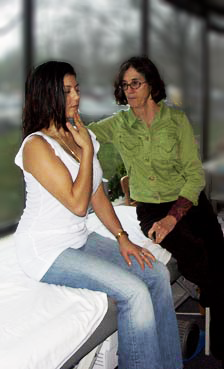
Evaluation
Treatment begins with a detailed history and a physical examination focused on your symptoms, movement, function, and how your condition behaves during everyday activities.
Rather than relying only on the location of pain, your therapist looks at how symptoms change with specific movements and positions. Those responses can help guide the clinical reasoning behind your treatment plan.
- Review your symptom history and functional limitations
- Assess relevant movement, strength, mobility, and neurological findings
- Observe whether particular movements improve, worsen, or change your symptoms
- Identify a useful starting strategy when a clear response is present
What does “centralization” mean?
In some spinal presentations, symptoms that were felt farther from the spine may move closer toward the center of the body in response to a particular movement or position. This is called centralization. When it occurs, it can be a useful sign for guiding treatment, but it is only one part of the overall evaluation.
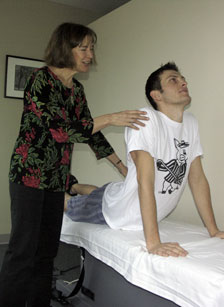
Individualized Treatment
Once we understand how your symptoms respond, treatment is built around those findings rather than a generic exercise routine.
Your plan may include specific movements or exercises, hands-on assistance when appropriate, activity modification, strengthening, education, or other strategies based on your presentation and goals.
- Use the smallest effective set of strategies whenever possible
- Reassess your response and adjust treatment as needed
- Connect exercises to the movements and activities you actually need
- Make sure you understand what you are doing and why

Self-Management & Prevention
A major goal of care is helping you recognize what affects your symptoms and giving you strategies you can use outside the clinic.
As you improve, treatment shifts toward returning to normal activity, rebuilding capacity, and knowing what to do if familiar symptoms begin to return.
- Recognize positions or activities that affect your symptoms
- Know which movements or strategies have been helpful for you
- Progress back toward work, recreation, exercise, and daily activity
- Build confidence managing minor flare-ups when appropriate
You should leave with more than an exercise sheet
The goal is for you to understand your condition well enough to participate actively in your recovery. Your treatment plan can change as your symptoms and function change, but the reasoning behind it should always be clear.
Ready to find out what helps your symptoms?
Schedule an evaluation, or learn more about the MDT approach used at Nick Rinard Physical Therapy.