Practical Care for Hands, Upper Extremities & Daily Function
Treatment is focused on helping you improve movement, function, comfort, and independence in the activities that matter most to you.
Services may include hand therapy, upper-extremity rehabilitation, splinting, ergonomic solutions, adaptive equipment, and occupational therapy strategies for daily living.

Natasha Rinard, OTR/L
University of Puget Sound, Tacoma, WA, 1996
Clinic co-owner with Nick Rinard, PT since 1999
Conditions & Treatment
Hand therapy can address a wide range of upper-extremity problems, from repetitive strain and arthritis to recovery after injury or surgery.
Appropriate Diagnoses
- Repetitive strain injuries
- Arthritis, including thumb CMC joint, OA and RA
- Stiff and/or painful wrists and fingers
- Tendinitis, including medial/lateral epicondylitis and De Quervain’s
- Post-fracture, dislocation and sprain rehabilitation of the upper extremity
- Post-surgical repairs, including tendon repairs, amputations, burns, decompressions and transplantations
- Systemic or genetic disorders affecting the upper extremity
- Nerve involvement, including compression and repair
Treatment Used
- Mechanical diagnosis and therapy
- Screening for spinal disc or nerve involvement
- Patient education and training in self-treatment
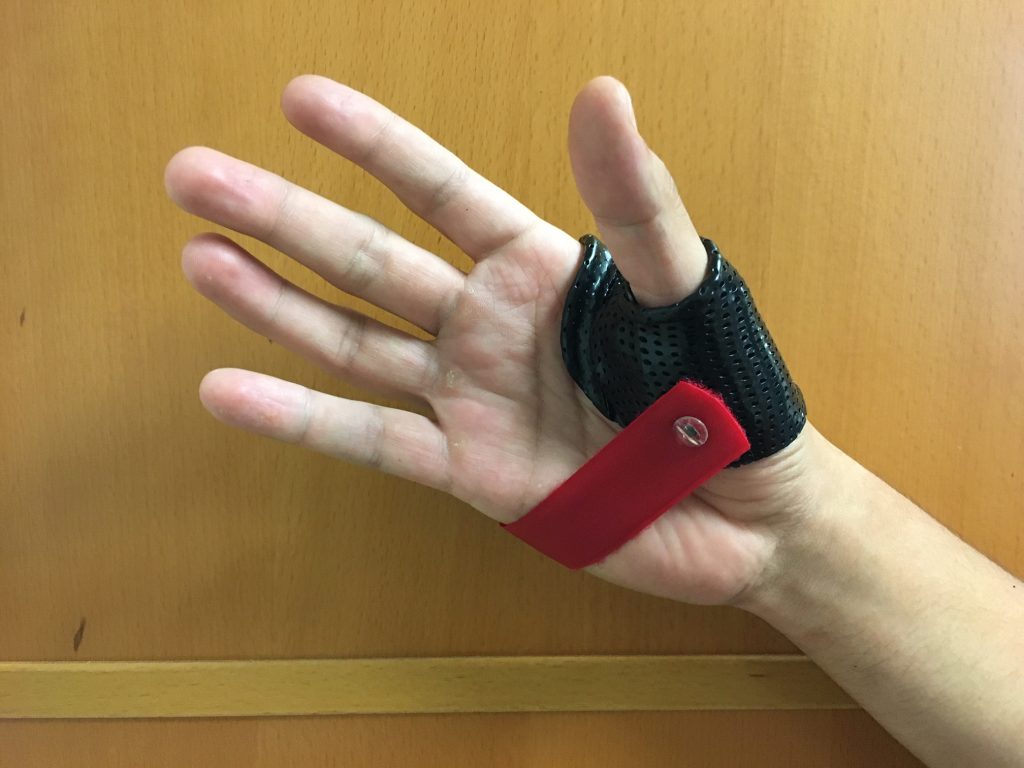
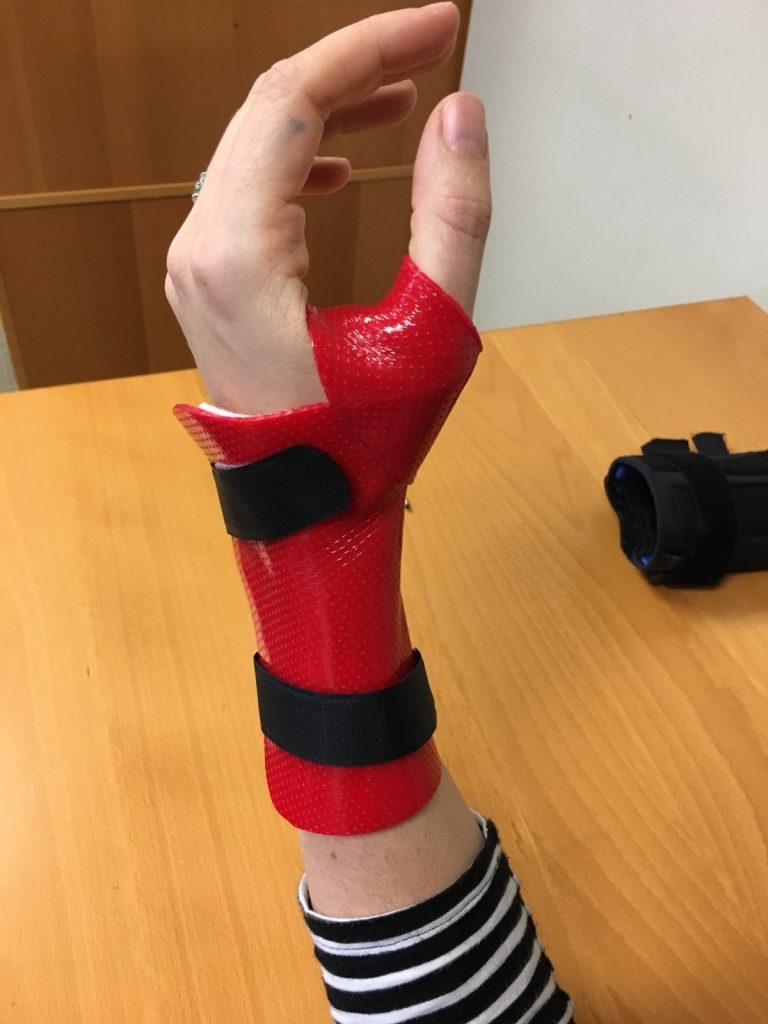
- Static/dynamic splinting and positional taping
- Adaptive equipment solutions
- Ergonomic workstation evaluation and solutions
- Appropriate and specific strengthening and conditioning exercises
Care that connects treatment to daily life
Hand and occupational therapy are not only about improving movement. Treatment can also address how an injury, neurological condition, or functional limitation affects work, self-care, home activities, and everyday independence.
Supporting Independence & Daily Function
Occupational therapy may be appropriate when neurological, musculoskeletal, workplace, or age-related changes affect daily activities and independence.
Appropriate Diagnoses & Needs
- Post-CVA or brain injury, including hemiplegia, contractures and subluxation
- Spinal cord injuries, including contractures and impaired ADL status
- Repetitive strain related to workstation demands
- Aging with decline in daily function and activities of daily living
Treatment Used
- Rehabilitative, neuro-developmental and compensatory approaches
- Adaptive equipment for self-care and work
- Ergonomic solutions
- Splinting and self-care equipment fabrication
- Patient and caregiver education
- Home safety evaluations
- Wheelchair seating and positioning, including manual, electric and specialized systems
Not sure which service is right for you?
Call the clinic or schedule an evaluation and we can help determine the best next step.