Prehab: How Physical Therapy Can Prepare You for Surgery—or Help You Avoid It

This article was written by Danya Sadler, Student Physical Therapist, during her clinical rotation at Nick Rinard Physical Therapy.
What is Prehab?
Many people assume that physical therapy begins only after surgery, but postoperative rehabilitation is just one part of what physical therapists do. The American College of Surgeons defines prehabilitation, or “prehab,” as “a process of improving the functional capability of a patient prior to a surgical procedure so the patient can withstand postoperative inactivity and the associated decline.” Physical therapists accomplish this through targeted exercise, education, and movement strategies tailored to each individual.
What the Research Shows
Prehab is much more than simply “getting ready” for surgery, it gives patients the opportunity to improve strength, mobility, and confidence while working toward their best possible outcome. A growing body of research has shown that prehab is an effective way to make the most of that opportunity. A research article by Konnyu, et al. finds that prehab prior to total knee or total hip surgeries can lead to reduced length of stay in the hospital, increased strength, and decreased stiffness post-operatively. Another article looking at orthopedic surgeries found that “prehabilitation was associated with moderate improvement in several preoperative outcomes (function, 6-minute walk test, knee flexor and hip abductor strength, etc.) among patients undergoing all orthopedic procedures and was also associated with a reduction in back pain among patients undergoing lumbar surgery.” (Punnoose et al., 2023). The research behind this topic has been vastly growing over the years but all other articles shared similar findings. In some cases, the prehab process reveals something patients weren’t expecting: surgery may not be the right next step after all.
When Physical Therapy May Help Avoid Surgery
For many musculoskeletal conditions, current evidence supports physical therapy as a first-line treatment for many musculoskeletal conditions before considering surgery, as many patients achieve similar improvements in pain and function without an operation. This is not to say that surgeries are bad nor never warranted, because they are actually very well researched and helpful in many cases. By using physical therapy first however can help patients find a potential non-surgical way of improving function and reducing pain, or, if symptoms persist despite appropriate rehabilitation, physical therapy can help patients and their healthcare team determine that surgery is the most appropriate next step. Multiple randomized control trials and systemic reviews comparing supervised exercise therapy with arthroscopic surgery for degenerative meniscal tears have found similar improvements in pain and function, while the physical therapy group demonstrated greater improvements in muscle strength early in rehabilitation.
A Closer Look at Low Back Pain
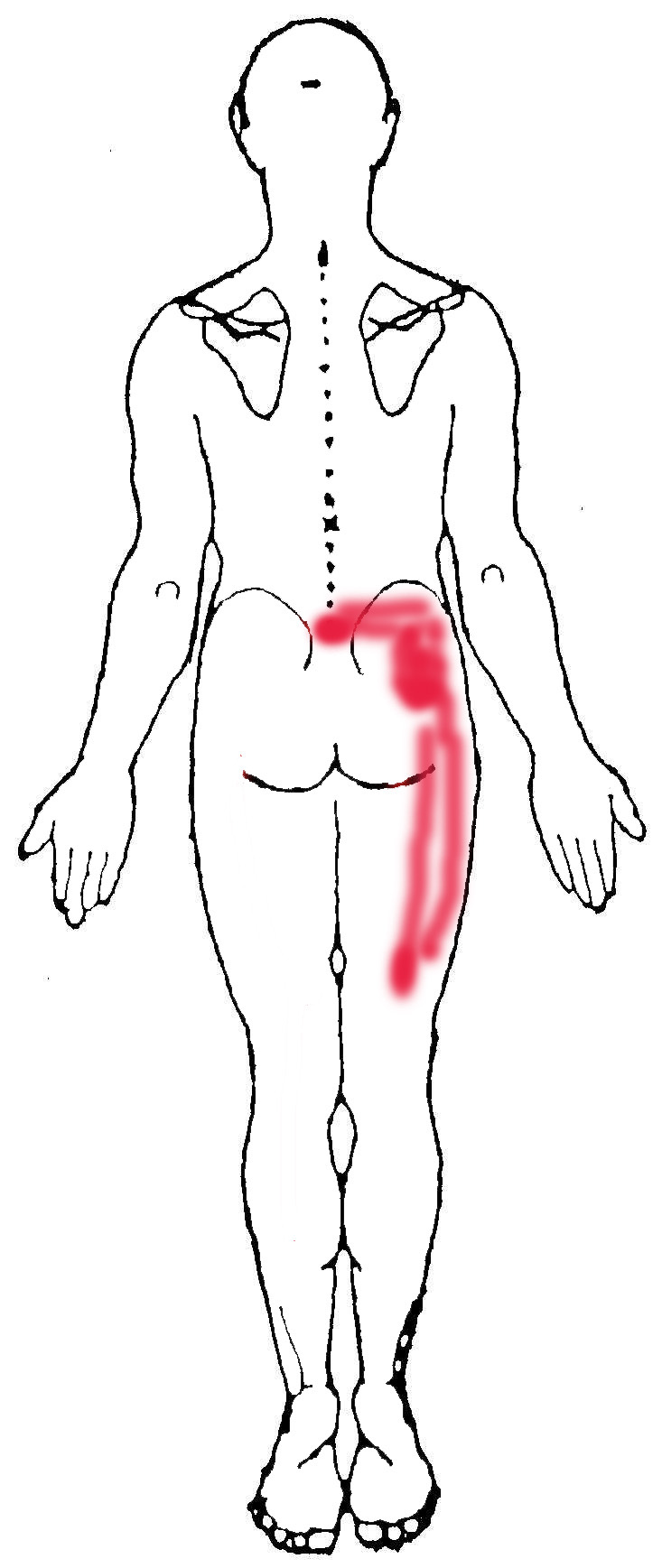
Evidence supporting conservative care extends beyond meniscal injuries. Similar recommendations exist for conditions such as knee osteoarthritis, rotator cuff injuries, and more but I want to present some evidence about its use with patients with low back pain since we see many individuals with this at the clinic. While surgery for back pain is appropriate in certain conditions like progressive neurological deficits or required fusions, most episodes of low back pain improve with conservative care. Current clinical practice guidelines from JOSPT and the American College of Physicians recommend remaining active, participating in exercise-based rehab, and working with a physical therapist before considering surgical intervention when there are no red flags found by your clinician or your physical therapist. Physical therapy can decrease pain, improve mobility, increase strength, and also help patients return to their daily activities while determining whether surgery is truly necessary.
The Right Treatment at the Right Time
Ultimately, the goal of prehab isn’t to avoid surgery at all costs, it is to ensure that each patient receives the right treatment at the right time whether it be surgery on conservative care. If surgery is found to be the best next step, patients will benefit from becoming stronger, more informed, and more active participants in their own care.
Citations
American College of Surgeons. (n.d.). Prehabilitation. Strong for Surgery. Retrieved July 8, 2026, from https://www.facs.org/for-patients/preparing-for-surgery/strong-for-surgery/prehabilitation/
Konnyu KJ, Thoma LM, Cao W, Aaron RK, Panagiotou OA, Bhuma MR, Adam GP, Pinto D, Balk EM. Prehabilitation for Total Knee or Total Hip Arthroplasty: A Systematic Review. Am J Phys Med Rehabil. 2023 Jan 1;102(1):1-10. doi: 10.1097/PHM.0000000000002006. Epub 2022 Mar 12. PMID: 35302954; PMCID: PMC9464791.
Punnoose A, Claydon-Mueller LS, Weiss O, Zhang J, Rushton A, Khanduja V. Prehabilitation for Patients Undergoing Orthopedic Surgery: A Systematic Review and Meta-analysis. JAMA Netw Open. 2023;6(4). doi:10.1001/jamanetworkopen.2023.8050
Kise N J, Risberg M A, Stensrud S, Ranstam J, Engebretsen L, Roos E M et al. Exercise therapy versus arthroscopic partial meniscectomy for degenerative meniscal tear in middle aged patients: randomised controlled trial with two year follow-up BMJ 2016; 354 doi:10.1136/bmj.i3740
Qaseem A, et al. Noninvasive Treatments for Acute, Subacute, and Chronic Low Back Pain: A Clinical Practice Guideline from the American College of Physicians. Annals of Internal Medicine. 2017;166(7):514–530.
George, S. Z., Fritz, J. M., Silfies, S. P., Schneider, M. J., Beneciuk, J. M., Lentz, T. A., Gilliam, J. R., Hendren, S., Norman, K. S., et al. (2021). Interventions for the management of acute and chronic low back pain: Revision 2021. Journal of Orthopaedic & Sports Physical Therapy, 51(11), CPG1–CPG60. https://doi.org/10.2519/jospt.2021.0304
More