“I came after severe back pain. I was not able to bend over, walk for extended time, or sit without pain.
Right away I had better results from doing the exercises I was shown then I had ever had with my previous therapist.
I feel like we went at a good pace and throughout my treatment I have been able to increase my overall activity and quality of life.
I have been given the knowledge and tools I need to manage my pain on my own and my back pain has greatly improved!”
Danielle
More
“Thank you so much for your excellent care.
Over the years, I have had treatment with several physical therapists and Katie has done me more good than all of them combined.
Much appreciated and highly recommended.”
Cathy
More
A few months ago, I treated a young Portland area woman who was suffering from low back pain. “Beth” had been in a car accident 10 months prior to my evaluation. She was rating her worst pain as a 9/10 and was moderately limited with walking, sitting, bending and lifting. Because of the pain associated with these activities, Beth was limited with her duties as a student nurse, and somewhat concerned with how her back condition will affect the rest of her life. Beth had been to a chiropractor and to a different physical therapy clinic, neither of which proved to have any lasting benefits.
Beth’s objective findings included what mechanical therapists call a “Left Shift” in standing. This means that her shoulders were not centered over her hips, but rather, off to the left side. We know this as a relevant lateral component and is typically associated with a derangement (something out of alignment or out of place). Beth also demonstrated limited, painful movements of the spine; primarily in the frontal plane.
The exercise to correct Beth’s shift and reduce her derangement was repeated right side glide in standing. Beth was able to perform this exercise throughout her day to decrease her pain and by 3 weeks out, she was reporting little to no pain. Beth was then able to begin core strengthening exercises, after her pain was gone, and get back to her duties as a nursing student. At our last treatment visit, Beth told me that she was able to work multiple 12 hour shifts as a nurse without any pain!
If the physical therapy treatment you are receiving does not get feeling better within 1 or 2 weeks, find something that works!
More
By Megan Plante, DPT
12 Jun, 2014
Clinical Case of the Week
exercises, inactivity, Knee pain, MDT, medical education, Nick Rinard, OA pain, Portland Oregon, quadricepts, quick answers
Quick Answers Are Never a Guarantee

We live in a culture that seeks immediate results and quick answers to solutions. Most of the time, unfortunately, we also want what requires the least amount of effort on our part. In the medical community, this boils down to people deciding to have surgery to fix the problem. Unfortunately, surgery is never a guarantee. Time and time again I treat patients here at Nick Rinard Physical Therapy who were advised to have surgery and, after the procedure was performed, their pain remained. This happens because of both the general public and medical practitioners’ lack of understanding about how the body moves and heals. Recently, there was a man referred to our Portland airport (PDX) clinic by his friend for knee pain. He was scheduled to have knee surgery the next week, but wanted to have a second opinion. My colleague diagnosed him with a very simple problem: knee capsulosis, and he was reporting decreased pain and improved range of motion by his 2nd visit. He cancelled his surgery and is expected to have a great outcome with conservative care.
Regimented Exercise Can Decrease Knee Pain without Surgery
I recently came across a study that found simple regimented exercise routine focusing on quadriceps strengthening and cardiovascular endurance decreases knee pain associated with osteoarthritis. What a great concept: exercise can decrease pain and improve function and avoid surgery! The authors of the study concluded: “Optimal exercise programs for knee OA should have one aim and focus on improving aerobic capacity, quadriceps muscle strength, or lower extremity performance,” the authors concluded. “For best results, the program should be supervised and carried out three times a week. Such programs have a similar effect regardless of patient characteristics, including radiographic severity and baseline pain.”
Physical Inactivity is THE Major Public Health Problem of the 21st Century
I came across a quote that really resonates with these findings: “…most medical schools only allocate a perfunctory hour to the fact that physical activity is medicine. This is a major failing of medical education when physical inactivity is the major public health problem of the 21st century.”
Resources
Meta-analysis: Quadriceps exercise best reduces knee OA pain:
http://news.todayinpt.com/article/20140329/TODAYINPT04/140328005&SearchID=73533945353381?utm_content=sf25084815&utm_medium=spredfast&utm_source=facebook&utm_campaign=social2013&sf25084815=1
Accessed on May 1st, 2014
Mechanotherapy: how physical therapists’ prescription of exercise promotes tissue repair. K M Khan, A Scott. Br J Sports Med 2009;43:247-252
More
By Nick Rinard Physical Therapy
19 May, 2014
RinardPT Newsletters
15 minute consultation, Heat, ice, MDT, Nick Rinard, Nick Rinard physical therapy, Open house, pain, Portland Oregon, source
 |
RinardPT Monthly
|
Nick Rinard Physical Therapy
9700 SW Capitol Hwy Suite 140
Portland, OR 97219
Volume 6, Issue 3
April 2014
|
SW Portland Open House
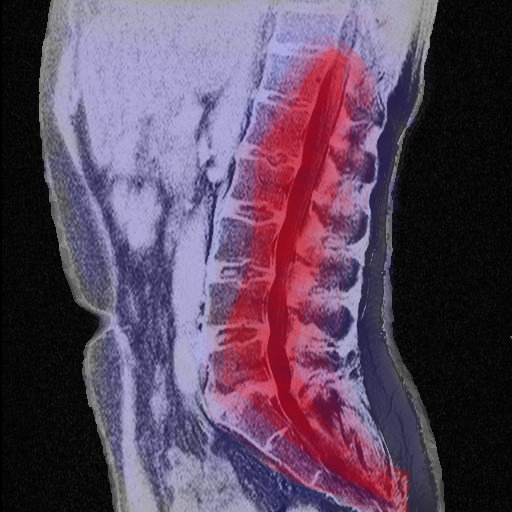
Should you be resting?
ICE or HEAT?
Should you be ‘working through’ the pain?
Is the source of your pain serious?
Ask an experienced MDT Physical Therapist at Nick Rinard PT! With a 15 minute Free Consultation, we can often find the cause of your pain and give you advice to help treat your symptoms. |
 |
Join us for a special Open House and ask about your pain “while you’re here.” Light refreshments will be offered, and appointments are encouraged though WALK-INS are always welcome!
Tuesday, June 17th – 5:00pm-8:00pm
Call 503-244-6232
for your Evaluation or Free Consultation
RinardPT patients get Results:
Don’t take our word for it
| “I came into Nick Rinard PT because of a car accident in December that I sustained a neck injury in. I had very limited neck motion, & had pain when I tried to move my neck. I had severe pain when sitting for long periods of time, trouble driving, and doing other everyday activities. I also had random headaches every day that kept me from doing normal tasks. Now I feel much better. My headaches have almost gone away, I have my range of motion back, and I am not in pain anymore.”-Lauren 04/28/2014 |
“I was referred for treatment after PT elsewhere was not improving my symptoms for a post-operative L5-S.1 discectomy/laminectomy. Once starting treatment at Nick Rinard PT I knew it was the right fit. After my 1st visit I had increased symptoms and called that evening. I was immediately helped over the phone and scheduled to return the next day. From then on, it was steady improvement with detailed explanation of exercises and physiology. I’m beyond grateful for the care and staff at Nick Rinard PT.”-Shelley 04/17/2014 |
 |
FREE CONSULTATION COUPON
MENTION THIS COUPON AND SCHEDULE YOUR FREE SCREEN TODAY (503) 244-6232
In just 5-10 minutes, MDT can determine if your pain is mechanical or not. If so, we can help get you out of pain and back to enjoying your life.
|
Clinical Conversations NOW at RinardPT.com
|
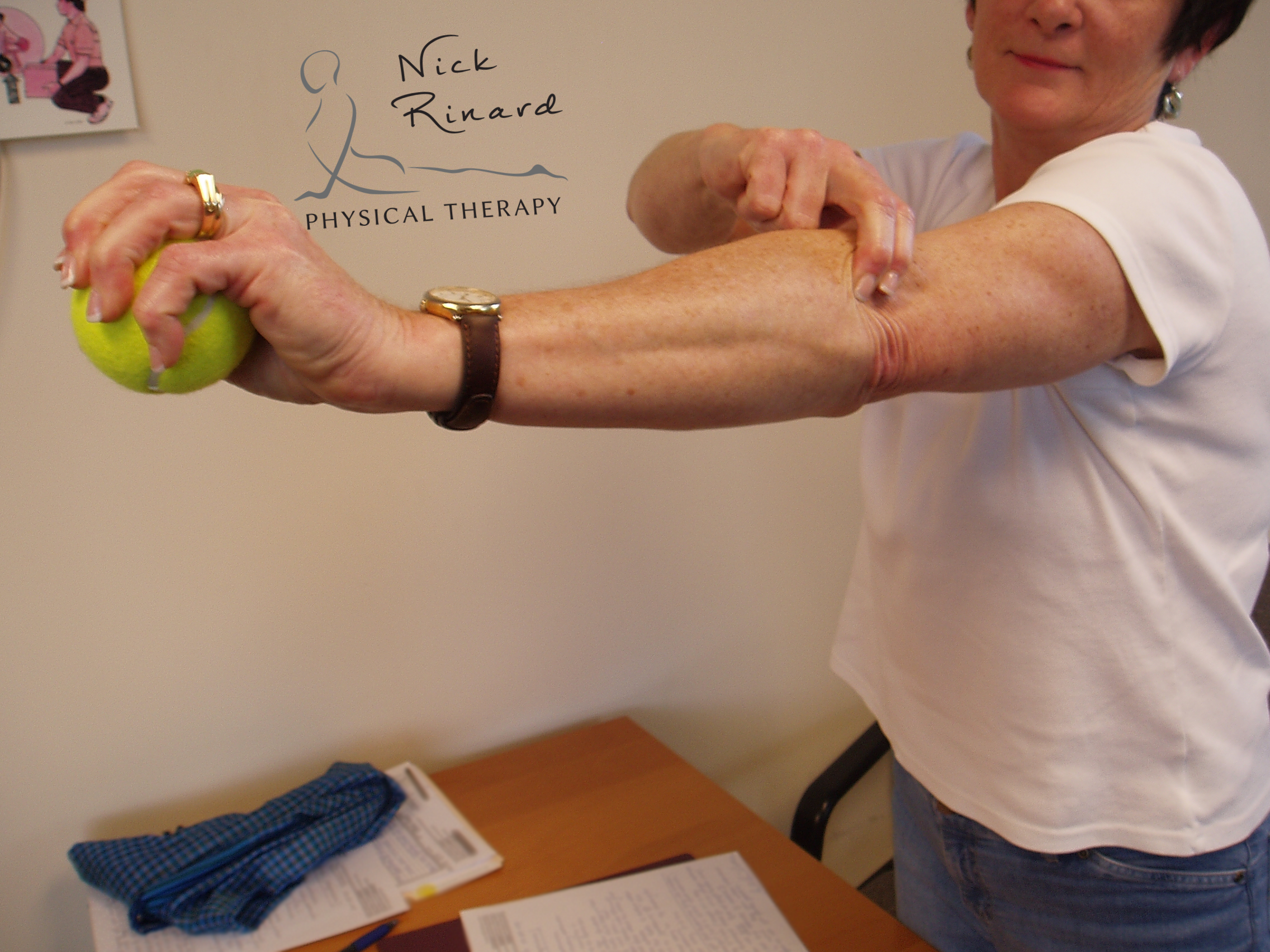
From low back pain, hip pain, ‘pseudo tennis elbow’…
We’ve seen it all at
Nick Rinard Physical Therapy!
Come see our success stories, get advice for how to avoid pain, and what to do while you wait for your physical therapy visit with us.
http://RinardPT.com/clinical-conversations/
|
 |
|
More
By Megan Plante, DPT
21 Mar, 2014
Clinical Case of the Week
BPPV, easily treated, improvement, MDT, Mechanical Diagnosis and Therapies, Mechanical disorder, Nick Rinard physical therapy, Physical Therapy, Portland Oregon, Positive response, vertigo
The most common cause of vertigo (dizziness) is benign paroxysmal positional vertigo (BPPV) and it is a mechanical disorder. A trained clinician can evaluate and treat this condition based off of the patient’s symptoms. The evaluation consists of moving the head into specific positions. Symptoms of BPPV include vertigo with change in head position, nausea with or without vomiting and disequilibrium (poor balance).
Curable
Vestibular System
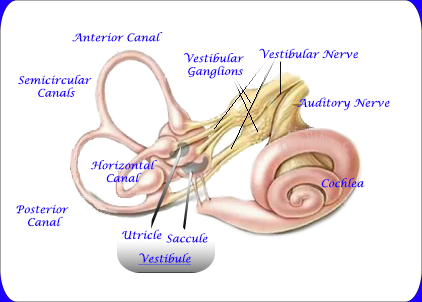
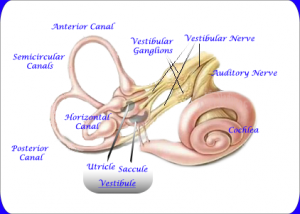
BPPV is a curable condition affecting the vestibular system (inner ear). Your inner ear is comprised of 3 semicircular canals (SCC) and 2 otolith organs. These structures detect head movements (acceleration). Crystals called otoconia are embedded in the otolith organs. Sometimes, the crystals can become dislodged and misplace into the semicircular canals. The misplaced crystals result in increased sensitivity to head movements.
Hopes for a Positive Response
I was treating a patient for low back pain when she mentioned that she was experiencing severe episodes of dizziness. I informed her about BPPV and mentioned that the treatment was very simple and effective. She agreed to have an evaluation in hopes for a positive response.
My patient tested positive for BPPV utilizing the Hallpike-Dix test for the left semicircular canals. I also performed a few other tests and exercises to rule out other potential causes for symptoms. Once we had our diagnosis of BPPV, the treatment was very simple.
Improvement in just one week
I took my patient through a series of head movements that reposition the crystals back into the otolith organs (the saccule and ultricule). After performing the repositioning maneuver, baseline symptoms were decreased and she returned the next week without having any severe episodes of vertigo.
BPPV – A Common Vertigo that is Easily Treated
BPPV is the most common cause for vertigo. Luckily, it is very easy to diagnose and treat with a trained therapist. If you or someone you know has vertigo as a result from head movements, have a physical therapist evaluation so that you may start feeling better today!
More
By Nick Rinard Physical Therapy
14 Mar, 2014
Clinical Case of the Week
ankle pain, clinical presentation, Nick Rinard, Nick Rinard physical therapy, pain-free, Physical Therapy, Portland Oregon, relationship, results, Spine, treatment
By MiKayla Sanocki, SPT
Did you know a back problem can cause symptoms such as pain, decreased strength and decreased sensations into the thigh, calf, ankle or foot? Physical therapists trained in Mechanical Diagnosis and Therapy (MDT) here at Nick Rinard Physical Therapy can determine during the evaluation if any of these lower leg symptoms are coming from your back.
Check out this bizarre clinical presentation we treated at Nick Rinard Physical Therapy:
She did not remember any trauma to the ankle
The patient came to physical therapy for an “ankle sprain” that occurred 3-months earlier. She stated she woke up unable to put any weight on her right foot. The pain had remained constant in her ankle, so bad at times that she couldn’t walk! Upon further questioning, the patient revealed what she had been doing the day before: She had driven 2 hours, on her way home from helping clean a house. During the drive she had discomfort in her buttock and hamstring that made her want to pull the car over to stretch. She did not remember any trauma to the ankle, however, but the ankle pain was the only pain she was experiencing now.
Her ankle pain has caused her to quit running and yoga — two of her favorite activities.
Mechanical Evaluation finds cause in spine
During the mechanical evaluation we found that certain directions of low back movements decreased the pain in her ankle. After being sent home with 1 simple exercise to perform every waking hour – which she did perfectly – she returned within 24 hours reporting 90% recovery in pain! Over the next week we were able to progress her exercises and now the patient reports no ankle pain at all. In only 4 visits we were able to abolish her ankle pain, and she is now getting back to running and yoga!
The patient reports, “I now have the tools to prevent the return of my back and ankle pain”.
Treatment at Nick Rinard Physical Therapy vs Traditional PT
In contrast to MDT, traditional PT would not have uncovered the spinal cause of the patient’s ankle pain. Treatment would have been ineffective since it would have focused only on trying to treat the symptom.
Do you know if your pain in the legs or arms could be coming from the spine? Come see us at Nick Rinard Physical Therapy and find out!
More
 |
RinardPT Monthly
|
Nick Rinard Physical Therapy
9700 SW Capitol Hwy Suite 140
Portland, OR 97219
Volume 6, Issue 2
March 2014
|
Why Wait?
Too often, we get patients in our office who have been in pain for months (or almost a year in Michael’s case! Read his story below). If your pain is not improving on its own, there is NO NEED TO SUFFER! It could take just 3 visits, like it did for Jane, and you can have the tools to treat your pain and get back to living your life to the fullest. Most of our patients are able to self-treat their problem in just 6-8 visits. Get the tools you need now.
Are you currently suffering from pain or injury?
Call 503-244-6232 today!
RinardPT patients get Results:
Don’t take our word for it
| “I hurt my knees in October 2013 while in Mexico. I wish I had called MDT sooner and saved myself four months of pain & difficulty walking. Going down stairs was especially painful. In three sessions I am pain free; getting out of bed, walking, and stairs are no longer painful. Many thanks! ”-Jane 02/12/2014 |
“I was in a car accident in May 2013. I had neck pain and stiffness every day after the accident. I came to MDT of Portland in hopes of being cured. Within roughly 7 sessions, I would say I no longer have any pain. Thank you guys very much-you’re all incredible!”-Michael 02/04/2014 |
FREE CONSULTATION COUPON
MENTION THIS COUPON AND SCHEDULE YOUR
FREE SCREEN TODAY
(503) 244-6232
In just 5-10 minutes, MDT can determine if your pain is mechanical or not. If so, we can help get you out of pain and back to enjoying your life.
|
Remember to “SPRING FORWARD” by one hour on Sunday, March 9th!
|
 |
March Events around Portland

|
More